
About
Wandering Rose Books is a passion project by Nicole Rose that grew from her personal “Read the World” challenge into a growing global literature database aimed at helping readers discover translated works and underrepresented authors from around the world.
Wandering Rose
Wandering Rose is an international author database, created to help English-language readers discover books and authors from around the world. The site is organized by country, author, genre, and more — and at launch features over 2,600 authors, with many more to come.
Over time, the database will continue to grow and evolve, expanding to include culturally distinct regions and regularly adding new works. My hope is that it becomes a true hub for literary exploration — a place where readers can wander beyond borders and uncover stories they might never otherwise encounter.
In the future, visitors will be able to save books to a personal “to-be-read” list and share discoveries with friends, creating a more interactive and connected reading experience.
At Wandering Rose, we believe in the transformative power of the written word to transcend borders and cultures. Our mission is to build a comprehensive resource that highlights the rich landscape of 20th- and 21st-century literature — with a focus on international and underrepresented authors, including female, LGBTQIA+, and BIPOC voices.
We celebrate the universality of human experience and above all, our goal is to inspire curiosity, empathy, and understanding by showcasing authentic stories from every corner of the world.
Nicole Rose
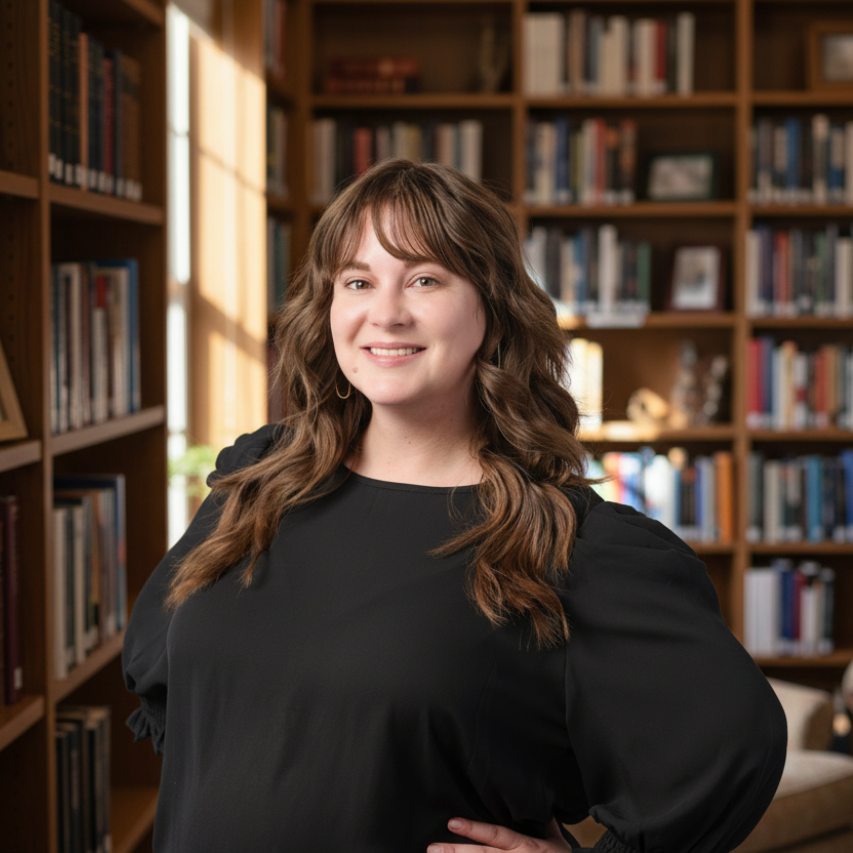
I’m Nicole Rose, the founder of Wandering Rose. By day I’m a project manager, licensed auctioneer and avid reader. I call Cincinnati, Ohio home.
I’ve always been a data enthusiast who loves finding ways to use technology to organize, educate, connect, and inspire. Wandering Rose began as a personal project — a way to track my own Read the World journey — but with encouragement from friends and family, it grew into something I wanted to share more widely.
Ultimately, I dream of opening a bookstore in Cincinnati dedicated to immigrant and underrepresented communities—a space where everyone can see themselves reflected in the stories on the shelves.
My Journey
What began as a general curiosity about global perspectives turned into a focused goal in early 2018, after I came across Ann Morgan’s A Year of Reading the World. Her project—to read a book from every country in one year—was inspiring, and it planted a seed. While she crossed the finish line in twelve months, it took me a little over seven years. In my defense, I was working full-time in unrelated industries, reading over 150 other books along the way, and I’m generally a slow reader. But the goal remained steady: to read more deeply and more widely, and to broaden my understanding of the world through the voices of those living in it.
Like many readers raised in the U.S., my literary education had been overwhelmingly Western, white, and male. I wanted to challenge that—both in terms of the authors I read and the stories I chose to spend time with. The publishing industry has historically offered a narrow slice of the world, with limited translations and even fewer books from underrepresented communities. This project was, in part, a personal response to that imbalance.
Whenever possible, I sought books written by authors who were from—or were citizens of—these countries. That distinction mattered to me. While identity and authorship can be complicated, I wanted to hear stories rooted in lived experience rather than filtered through an outsider’s lens. I also chose to focus on literature from the late 20th and 21st centuries—not because older works don’t have value, but because I wanted to engage with narratives that reflect current cultural, social, and political realities.
I based my reading list on the 193 member states recognized by the United Nations, along with its two observer states (Palestine and Vatican City). Along the way, I also included several “bonus” countries—regions or territories with distinct cultural or political identities that felt important to acknowledge and explore. I plan to add more of these bonus countries to my list in the near future.
This project wasn’t just about checking countries off a list. It was about listening more closely, reading more thoughtfully, and expanding the boundaries of what I thought I knew. It has been humbling, eye-opening, and deeply rewarding—and I hope, in some small way, that sharing it might inspire others to read beyond borders too.
I